Introduction
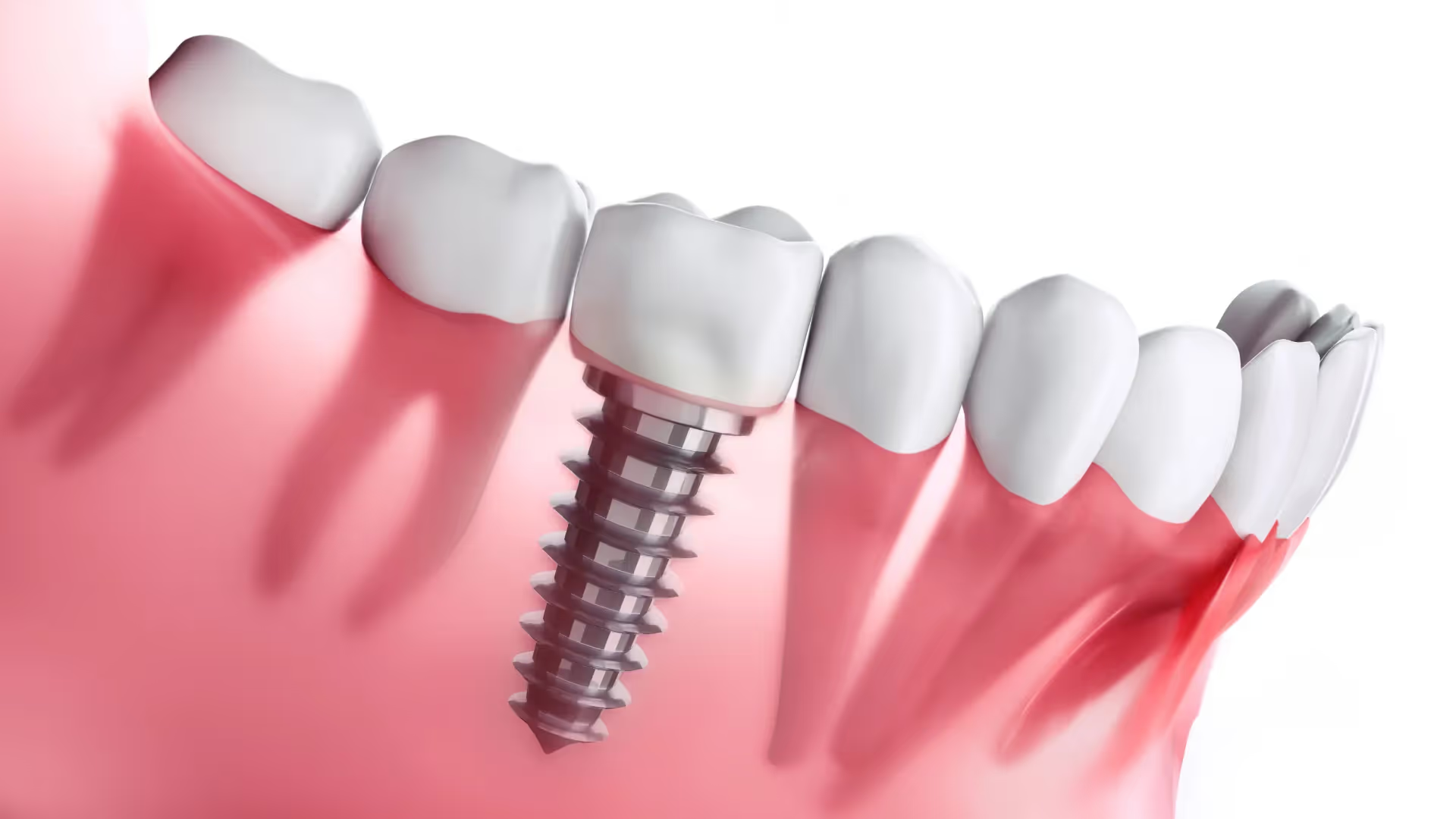
Dental implants are one of the most reliable and natural-looking solutions for replacing missing teeth. But what many patients don’t realize is that the success of an implant is not only based on the surgery itself—it also depends heavily on how well you care for your mouth during the healing process. Proper aftercare helps reduce discomfort, prevent infection, and ensure the implant integrates securely with your jawbone, creating a long-lasting foundation for your new smile.
At AVA Dental Implants & Periodontics, we guide every patient through a smooth recovery. This aftercare guide provides step-by-step instructions, realistic expectations, and essential tips to help you heal faster and protect your implant for years to come.
What to Expect After Your Dental Implant Surgery
It’s normal to experience mild swelling, tenderness, and small amounts of bleeding during the first 24–48 hours. Many patients compare the discomfort to a tooth extraction rather than a major surgery. You may also feel tightness around the cheeks or lips, especially if multiple implants were placed.
The healing process includes two phases:
1. Initial Healing (1–2 weeks)
This is when soft tissue closes and inflammation decreases. You will gradually return to eating normally, and discomfort typically becomes minimal within a few days.
2. Osseointegration (3–6 months)
This is the deeper healing stage when your implant fuses with the bone. You won’t feel this process happening, but it is crucial for implant stability.
Understanding this timeline helps you follow the appropriate care instructions at each stage.
How to Care for Yourself in the First 24 Hours
Control Bleeding
Mild bleeding is expected. Bite gently on gauze provided by your dentist for 30–45 minutes at a time. If bleeding continues, replace with fresh gauze and maintain pressure. Avoid spitting, rinsing, or touching the area, as these actions may disturb the blood clot.
Reduce Swelling
Swelling typically peaks around day two. Apply a cold compress to your cheek in 15-minute intervals. Keep your head elevated using extra pillows when sleeping.
Take Medications as Directed
Your dentist may prescribe antibiotics, anti-inflammatory medication, or pain relievers. Taking them on schedule helps prevent infection and manage discomfort.
Avoid Hot Foods and Drinks
Stick to cool, soft foods and avoid anything that requires chewing. Heat increases bleeding and can irritate the surgical site.
Do Not Smoke or Vape
Nicotine restricts blood flow and significantly slows healing. Avoid smoking for at least 72 hours—ideally longer for the best implant success.
Eating and Drinking After Implant Surgery
Eating properly is a major part of your recovery. In the first few days, choose foods that are soft, cool, and easy to swallow.
Recommended soft foods include:
- Yogurt
- Smoothies
- Mashed potatoes
- Scrambled eggs
- Oatmeal
- Soups (warm, not hot)
- Applesauce
- Soft noodles
As you heal, you can gradually reintroduce firmer foods, but avoid chewing directly on the implant site until your dentist confirms it is safe.
Foods to avoid during the healing period:
- Hard or crunchy snacks (nuts, chips, popcorn)
- Sticky or chewy foods (caramels, candies, gum)
- Spicy foods
- Very hot foods and beverages
- Alcohol during antibiotic use
- Carbonated drinks for at least 72 hours
Remember: Chewing pressure should be minimized on the implant area to allow proper osseointegration.
Oral Hygiene After Dental Implant Placement
Keeping your mouth clean is essential to prevent infection, but you must do it gently during the first few days.
First 24 hours
Avoid brushing the surgical area. You may brush other teeth carefully, avoiding spitting or vigorous rinsing.
After 24 hours
You may begin gently rinsing your mouth with warm saltwater several times a day, especially after meals. Do not use commercial mouthwash unless your dentist recommends it.
After the first week
You can brush around the implant area with a soft-bristled toothbrush. Be gentle but thorough. Continue saltwater rinses until your dentist advises otherwise.
Activity Restrictions and Recovery Tips
Avoid strenuous exercise for 48–72 hours
High physical activity increases blood pressure and may cause prolonged bleeding or throbbing at the surgical site.
Avoid drinking through straws
The suction can dislodge the blood clot and slow healing.
Rest well
Your body heals faster when you allow yourself time to rest, especially during the first 48 hours.
Common Symptoms and When They Improve
Swelling
Should reduce significantly by days 3–4.
Bruising
Occasionally appears on the cheeks or jaw and may take a week to fade.
Mild pain
Usually controlled with medication and improves within a few days.
Stitches
If non-dissolving stitches are used, they will be removed by your dentist in about 7–10 days.
If you experience symptoms that worsen instead of improving, contact your dentist immediately.
Signs You Should Call Your Dentist
While complications are rare, early attention prevents more serious issues. Contact your dental provider if you notice:
- Persistent or severe pain that doesn’t improve after several days
- Excessive bleeding that doesn’t stop with pressure
- Swelling that gets significantly worse after day three
- Fever or chills
- Pus or discharge from the surgical site
- A bad taste that doesn’t go away after rinsing
- Loose or moving implant components
- Difficulty opening your mouth
These signs may indicate infection or improper healing and need immediate evaluation.
Long-Term Implant Care for a Lasting Smile
Healing doesn’t stop after a week. Proper implant maintenance helps ensure your new tooth lasts for decades.
Maintain excellent oral hygiene
Brush twice a day, floss daily, and consider using an interdental brush to clean around the implant.
Visit your dentist regularly
Professional cleanings and checkups help monitor implant health.
Avoid habits that put stress on implants
- Chewing ice
- Biting hard candies
- Using teeth as tools
- Grinding or clenching (ask about nightguards)
Protect your implant from gum disease
Peri-implantitis is the leading cause of implant failure, and good hygiene is your best defense.
How Long Does Complete Healing Take?
Although many patients feel back to normal within a few days, full implant healing occurs in stages.
- Soft tissue healing: 1–2 weeks
- Bone integration (osseointegration): 3–6 months
- Final crown placement: after your dentist confirms stability
Every patient heals differently, but following aftercare instructions closely gives your implant the best chance of long-term success.
Conclusion
Recovering from dental implant surgery is much easier when you know what to expect and how to care for your mouth properly. By following these aftercare guidelines—managing swelling, keeping the area clean, eating soft foods, and avoiding harmful habits—you help ensure your implant heals smoothly and securely.
At AVA Dental Implants & Periodontics, our goal is to help you enjoy a healthy, confident smile for life. If you ever have questions or concerns during your healing journey, our team is always ready to support you.