
Impacted Tooth Exposure (Gold Chain) in Davenport, FL
Advanced surgical exposure of impacted canines (or other teeth) for successful orthodontic treatment. Expert collaboration led by Periodontist Dr. Rafik Dib.
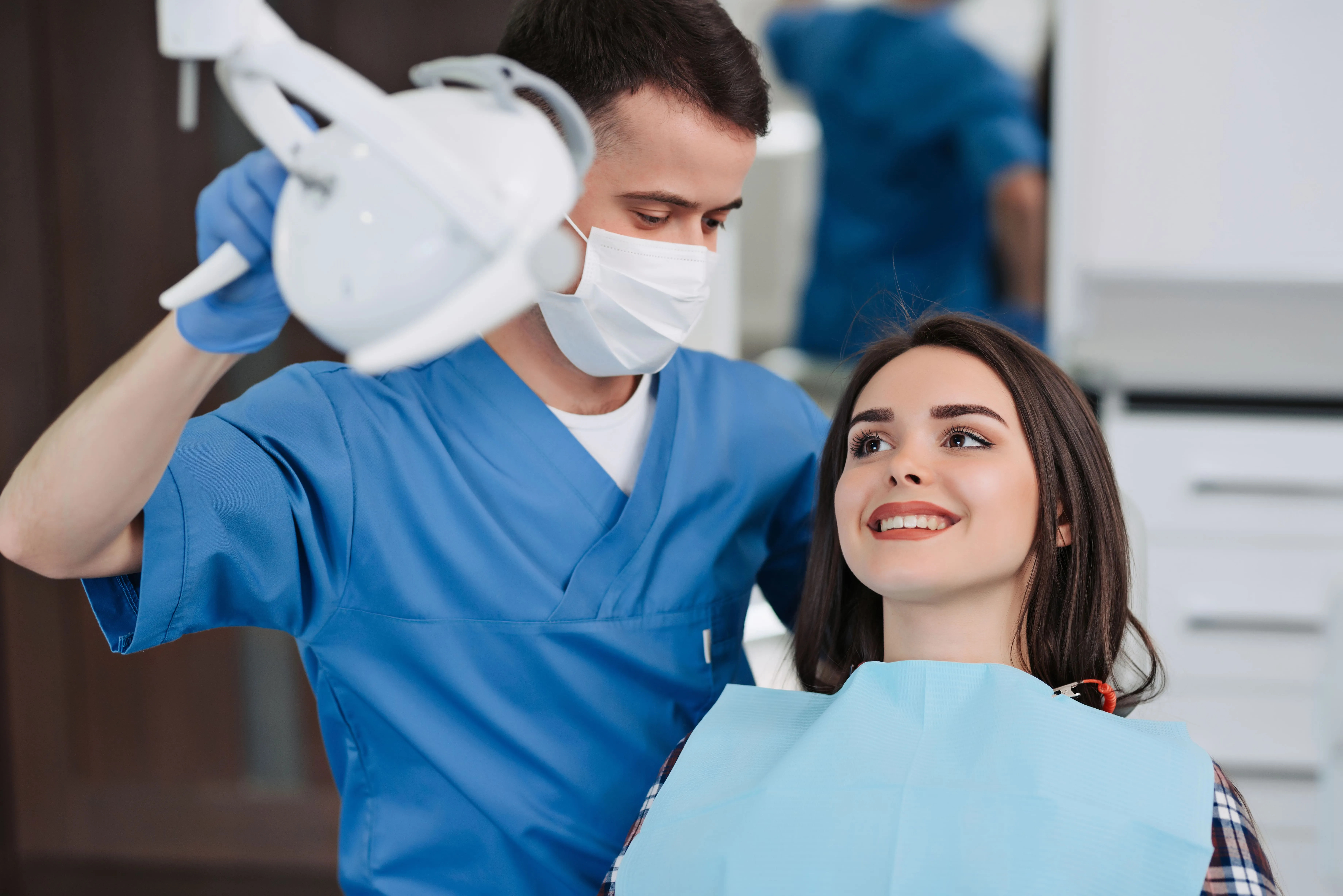
What Is an Impacted Tooth and Why Treat It?

Definition: An impacted tooth is one trapped beneath the gum or bone and unable to erupt into its proper place.
Why Canines Matter: Canine (eye) teeth are the most commonly impacted and are vital for your smile, bite, and tooth alignment.
If Left Untreated: Impacted teeth can damage nearby roots, cause cysts, and lead to bite or alignment issues.
Benefit: Allows proper tooth alignment and supports orthodontic success.

Our Team Approach: Periodontist & Orthodontist Working Together
Dr. Rafik Dib’s Expertise: As the periodontist, Dr. Rafik Dib is the surgical specialist who carefully exposes the impacted tooth with minimal trauma and ensures the orthodontist can guide it into place.
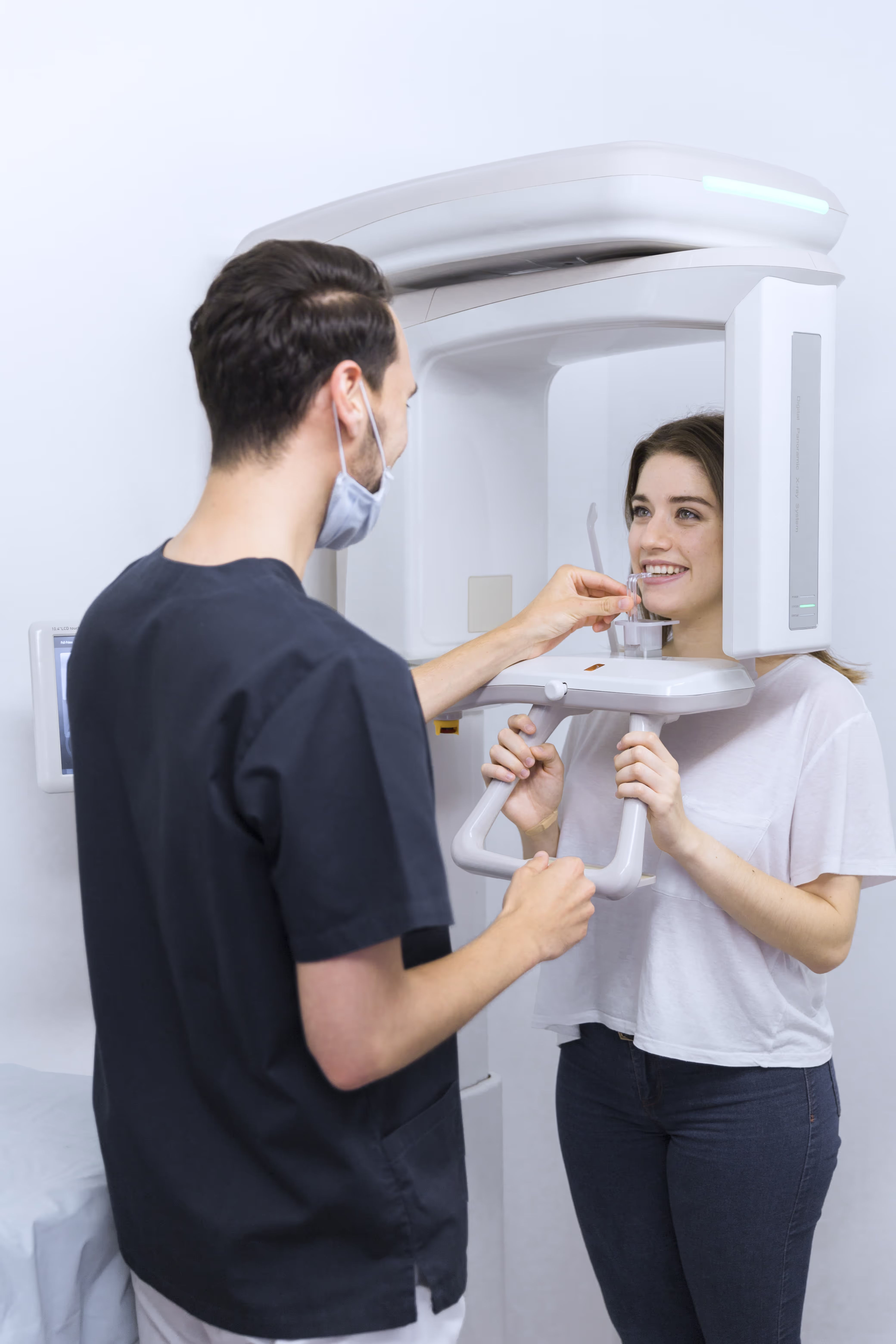
Advanced Precision: Using 3D CBCT imaging, we precisely locate the tooth’s position, avoiding damage to roots and nerves.
Coordinated Care: Dr. Rafik Dib works closely with your orthodontist to plan the ideal timing and location for the exposure, ensuring the tooth is properly positioned for movement.
Gentle, Minimally Invasive Approach: Our surgical technique removes only what’s necessary, promoting faster healing and a more comfortable recovery.
Experience personalized care with Dr. Rafik Dib.
The Exposure Procedure: What to Expect

1. Personalized planning
We review 3D scans and your orthodontist’s plan to map out the best approach.

2. Patient comfort
Local anesthesia, with optional IV sedation, ensures you remain relaxed and pain-free during the procedure.

3. Tooth exposure
Dr. Rafik Dib carefully uncovers the crown of the impacted tooth by removing a small amount of gum or bone.
4. Bracket placement
A small orthodontic bracket (often with a gold chain) is bonded to the tooth.

5. Tissue care
The gum is repositioned and sutured, leaving the chain accessible for your orthodontist.

6. Guided movement
You’ll return to your orthodontist, who will gently guide the tooth into position over time.
Recovery and Long-Term Success
Smooth Recovery:
Most patients experience only mild swelling or discomfort for a few days after the procedure. These symptoms are easily managed with over-the-counter pain relief and a soft-food diet during the initial healing period.
Long-Term Benefits:
Aesthetic Harmony: The canine plays a vital role in creating a balanced, symmetrical smile.
Functional Bite: Properly positioning the tooth ensures a strong, healthy bite and improved chewing function.
Bone Health: Addressing impaction eliminates the risk of cysts, bone damage, or harm to nearby teeth.
AVA FAQs
Find answers to your questions about impacted tooth exposure (gold chain) and how they can benefit you.
If a tooth (most often the canine) hasn’t erupted on its own, exposing it helps the orthodontist bring it into alignment instead of leaving it trapped under the gums.
No. The area is numbed completely, and IV sedation is available if you’d like extra comfort. Most patients feel only mild soreness afterward.
It’s a very small chain attached to the impacted tooth. The orthodontist gently applies pressure over time to guide the tooth into the right position.
Yes. Once the tooth is guided into place, it looks and functions just like any other tooth.
It varies by case. It can take several months for the tooth to move into place with the help of orthodontics.
Yes. This procedure is commonly performed in teens, since impacted canines are usually discovered during orthodontic treatment.
Most patients heal within a week. You may experience some minor swelling or tenderness at the site, but it improves quickly.
Start Your Journey to a Confident Smile
Book your free consultation today and explore same-day treatment options with our expert team.
Book an Appointment
Fill out the form below and we’ll contact you shortly to confirm your free consultation and discuss same-day care options.