Introduction
Tooth extraction may sound intimidating, but with modern dental techniques, the procedure is safe, predictable, and much more comfortable than many patients expect. Whether you’re facing a simple extraction or a more complex surgical removal, understanding the entire process helps reduce anxiety and makes recovery smoother.
At AVA Dental Implants & Periodontics, we guide patients through every step with clarity, precision, and gentle care — ensuring each person leaves feeling informed, comfortable, and well-supported.
This comprehensive guide explains why extractions are sometimes necessary, what happens at each stage, what sensations to expect, and how to take care of yourself afterward for the smoothest healing experience possible.
Why Tooth Extraction May Be Necessary
A dentist’s primary goal is always to preserve natural teeth whenever possible. However, extraction becomes the best or only option in several cases:
1. Severe Tooth Decay
When decay reaches deep into the tooth and compromises the structure or pulp, restoration might no longer be possible. Removing the tooth prevents infection from spreading and allows replacement options like implants.
2. Advanced Gum Disease
Periodontal disease can damage the tissues and bones supporting teeth. If the tooth becomes loose or risks affecting nearby structures, extraction protects oral health.
3. Impacted or Problematic Wisdom Teeth
Wisdom teeth often grow at an angle, remain trapped under the gums, or crowd neighboring teeth. Extraction prevents pain, swelling, gum infections, and future orthodontic issues.
4. Orthodontic or Prosthetic Needs
Sometimes a tooth must be removed to create space for braces, aligners, or dentures.
5. Cracked or Broken Teeth
A tooth that breaks below the gumline or has a vertical root fracture usually cannot be restored.
What To Expect Before the Extraction
Preparation is key to a smooth experience. Your dentist will begin with a thorough evaluation, which may include:
1. Dental Examination
The dentist checks:
- Tooth condition
- Gum and bone support
- Surrounding tissues
2. X-Rays
Digital imaging reveals:
- Root shape and length
- Proximity to nerves or sinuses
- Infection or bone loss
This helps determine whether you need a simple extraction or a surgical one.
3. Treatment Planning
Before scheduling the procedure, the dentist will discuss:
- Type of extraction
- Anesthesia options
- Expected recovery time
- Medications to avoid
- Replacement options if needed (implant, bridge, denture)
4. Pre-Procedure Instructions
Depending on your health and whether sedation will be used, you may be advised to:
- Avoid eating 6–8 hours before the appointment
- Arrange for transportation
- Stop certain medications (only with doctor approval)
-
Types of Tooth Extractions
Understanding which type you need can remove a lot of uncertainty.
Simple Extraction
Used when the tooth is fully visible and accessible.
The dentist numbs the area, loosens the tooth with an instrument (elevator), then removes it with forceps.
This procedure is relatively quick and painless.
Surgical Extraction
Required when:
- The tooth is broken at the gumline
- The root is curved or difficult
- The tooth is impacted (often for wisdom teeth)
A small incision may be made in the gum and, in some cases, bone removal or sectioning the tooth may be necessary.
This ensures a smooth, controlled extraction with minimal trauma.
During the Procedure
Most patients are surprised by how easy and painless the experience is.
1. Local Anesthesia
The dentist numbs the tooth and surrounding tissues. You may feel slight pressure, but not pain.
2. Sedation Options
Depending on your anxiety level or complexity of the extraction, sedation may include:
- Nitrous oxide (laughing gas)
- Oral sedation
- IV sedation (for surgical extractions)
3. Tooth Removal
You may feel:
- Pressure
- Movement
But you should not feel sharp pain. If you do, the dentist can add more anesthetic.
4. Cleaning and Stitching
After removal, the area is cleaned of infection or debris.
Some surgical extractions require stitches, which may dissolve on their own.
5. Gauze Placement
Gauze is placed to help form a blood clot and control bleeding.
After the Extraction: Recovery and Healing
Proper aftercare determines how fast and comfortably you heal.
1. Bleeding Control
Bite gently on gauze for 30–45 minutes.
A small amount of oozing is normal for up to 24 hours.
2. Swelling and Discomfort
Swelling peaks around 48 hours and gradually decreases.
Use ice packs (20 minutes on, 20 minutes off) to reduce inflammation.
3. Pain Management
Your dentist may recommend:
- Ibuprofen or acetaminophen
- Prescription medication for more complex surgical cases
Avoid aspirin, as it may increase bleeding.
4. Oral Hygiene
Do NOT rinse vigorously for the first 24 hours.
After that:
- Rinse with warm salt water 2–3 times a day
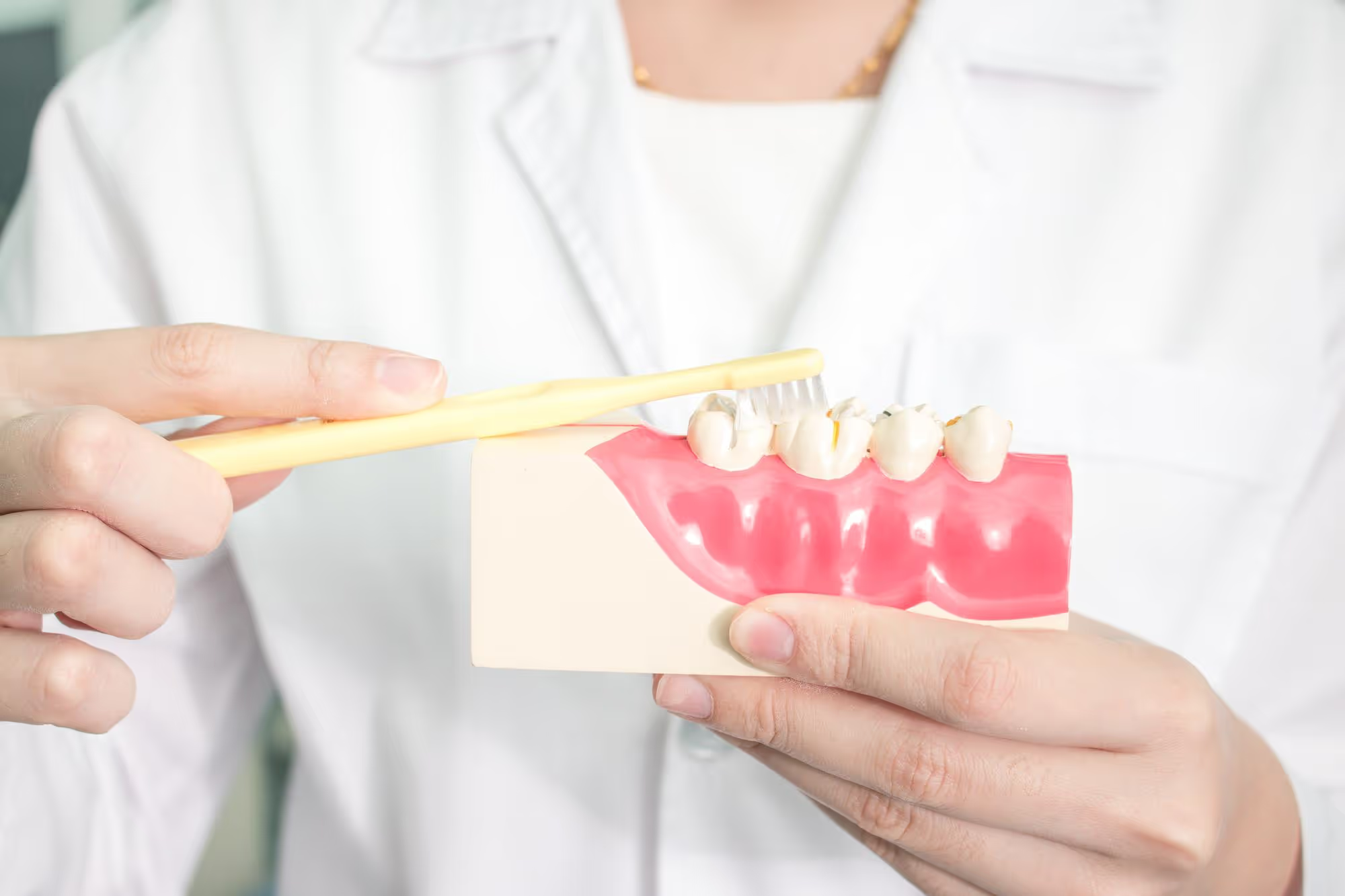
- Brush carefully around the area
5. Eating Guidelines
For the first 48 hours, stick to:
- Yogurt
- Mashed potatoes
- Smoothies
- Soups
Avoid:
- Straw usage
- Hot food or drinks
- Crunchy or spicy foods
- Alcohol
6. Activity Level
Rest during the first day.
Avoid workouts or heavy lifting for at least 48–72 hours.
Signs of Healthy Healing
You should see:
- Reduced swelling after 2–3 days
- Minimal pain
- Gradual closing of the socket
By week 2, the area should feel significantly better.
Possible Complications (and How to Avoid Them)
Dry Socket
This occurs when the blood clot dislodges, exposing bone and nerves.
It can cause severe pain beginning around day 3.
To prevent it:
- Do NOT smoke or vape
- Avoid using straws
- Do not rinse aggressively
- Avoid touching the area with your tongue or fingers
Infection
Early signs include:
- Increasing pain
- Fever
- Foul taste or odor
- Persistent swelling
Contact your dentist immediately if you notice these symptoms.
When You Should Call the Dentist
Seek help if you experience:
- Heavy bleeding that doesn’t improve
- Fever or chills
- Worsening pain after day 3
- Pus or discharge
- Difficulty swallowing or breathing
Replacing the Extracted Tooth
Except for wisdom teeth, most extracted teeth should be replaced to maintain oral health.
Options include:
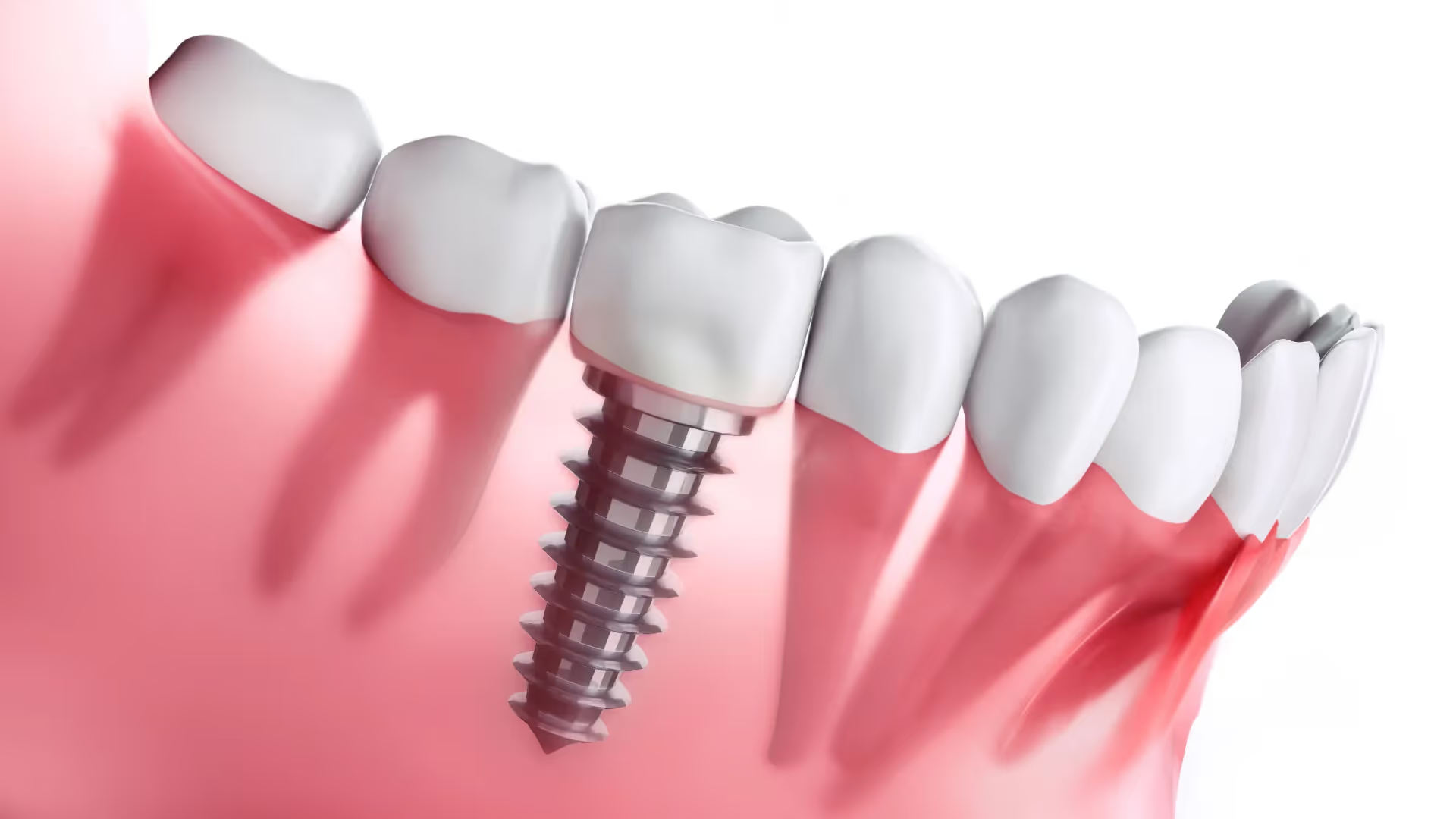
- Dental Implants (best long-term solution)
- Dental Bridges
- Partial Dentures
Your dentist will guide you based on bone health, budget, and long-term goals.
Conclusion
While tooth extraction may feel daunting, modern dentistry makes the procedure comfortable, predictable, and safe. Knowing what to expect — and how to take care of yourself afterward — ensures the fastest and smoothest recovery.
At AVA Dental Implants & Periodontics, our team is dedicated to providing exceptional care from start to finish so you can maintain your oral health with confidence and peace of mind.